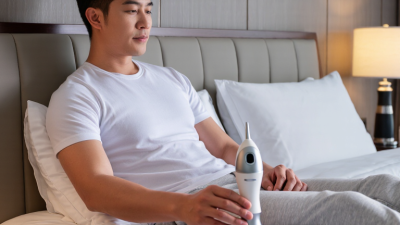
A Prostatic Orgasm is often described as an intense experience linked to prostate stimulation, but there is no single method or guaranteed result. Bodies differ. Some people feel pleasure quickly; others feel pressure, uncertainty, or nothing at all. That variation is normal, and orgasm should never become a test of success.
Dr. Evan Goldstein, a physician specializing in anal health, offers a useful clinical perspective: prioritize comfort, communication, and gradual pacing over force or performance. This is a summary, not a verified verbatim quotation. In practice, that means agreeing on boundaries, using clean hands or body-safe equipment, and choosing generous lubricant. A quiet room, relaxed breathing, and enough time can help someone notice small changes in sensation. Stop if there is pain, bleeding, numbness, or distress, and seek medical advice when symptoms persist.
There is no magic technique. Exploring prostate pleasure may involve learning anatomy, checking in with a partner, or choosing not to continue. That last option matters. Even careful preparation cannot promise an orgasm, and online advice can make the experience sound more predictable than it is. A thoughtful guide should focus on consent, comfort, and realistic expectations—not pressure to achieve a particular outcome.
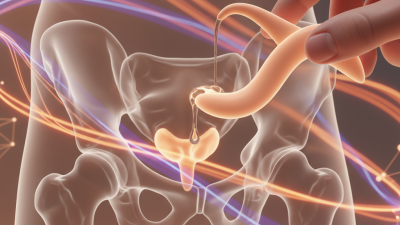
The prostate is a small gland below the bladder, surrounding part of the urethra. It contributes fluid to semen and responds to touch and pressure. Some people find prostate stimulation pleasurable; others feel little or no pleasure. Orgasm does not depend on stimulating the prostate. Bodies vary, and expectations can shape the experience. It is easy to overstate what one technique can do.
Tips: Communicate clearly with a partner, or explore privately at your own pace. Use clean hands or a body-safe, clean device, and plenty of lubricant. Go gently. Stop if you feel pain, numbness, or distress. There is no need to push through discomfort.
A prostate-related orgasm may involve pressure, warmth, or deeper contractions, but these sensations are not universal. Relaxation and feeling safe can matter as much as touch. Take breaks and notice what feels comfortable rather than chasing a specific result. If you experience persistent pain, bleeding, urinary problems, or unusual symptoms, pause and speak with a qualified healthcare professional.
Comfort starts with privacy, time, and clear consent. If exploring with a partner, agree on boundaries and a simple stop signal beforehand. There is no required outcome. A prostate-focused experience may feel unfamiliar, and orgasm is never guaranteed. That is worth saying plainly.
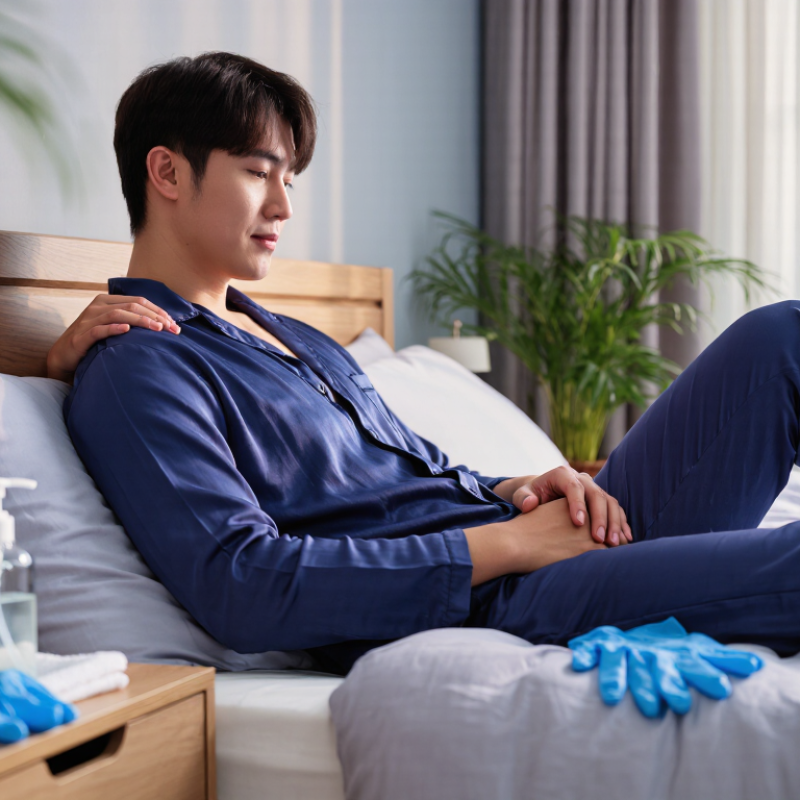
Wash hands with soap and water. Keep fingernails short and smooth; a small rough edge can irritate delicate tissue. Use a clean, body-safe glove if preferred, and plenty of unscented lubricant made for intimate use. The rectum does not self-lubricate. Avoid numbing products, which can hide pain. A shower and a normal bowel movement may help you feel comfortable, but forceful cleansing or frequent enemas can irritate the area. Preparation is not a performance checklist.
Choose a relaxed setting and a position that lets you breathe easily. Start slowly, use gentle pressure, and pause often to check how your body feels. Mild fullness can occur; sharp pain, bleeding, or persistent discomfort means stop. Don’t push through it. If you have hemorrhoids, a recent procedure, pelvic pain, or a medical concern, ask a qualified clinician before exploring. Even with care, it may feel awkward at first. Adjusting the plan is sensible.
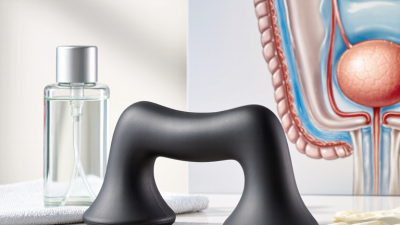
Choosing a safe method matters more than chasing a particular sensation. The prostate sits inside the rectum, so begin gently, with clean hands, trimmed nails, and plenty of water-based lubricant. A smooth, body-safe device designed for anal use should have a wide, flared base; never use household objects. External pressure on the perineum, the area between the genitals and anus, is a lower-risk way to explore. Go slowly. Stop for pain, bleeding, numbness, or dizziness. Orgasm is not guaranteed, and discomfort is not a sign to push harder.
For internal stimulation, use light pressure and a relaxed pace. Clean the device as directed, and do not share it without washing it or covering it with a new condom. The World Health Organization reported in 2024 that more than one million curable sexually transmitted infections are acquired daily worldwide among people aged 15–49. That figure is not specific to prostate play, but it supports taking fluid transfer seriously. Seek medical advice before trying stimulation if you have active rectal or prostate symptoms, recent pelvic surgery, or unexplained bleeding. A small limitation: comfort can change from one day to another, so pause and reassess rather than treating any technique as universally safe.
Exploring Sensation Gradually and Communicating Clearly
Prostatic pleasure is not a guaranteed route to orgasm. Bodies vary, and pressure that feels good one day may feel uncomfortable another. Start with a calm conversation: agree on boundaries, a stop signal, and what “slower” means. During exploration, check in with simple questions such as “more, less, or pause?” A 2019 meta-analysis in the Journal of Sex Research combined 93 studies and 38,499 participants. It found a moderate association between sexual communication and sexual satisfaction (r = .37). That does not prove communication causes satisfaction, but it supports treating clear feedback as part of sexual wellbeing.
Go gradually. Begin with external touch, then pause and notice whether the sensation feels pleasant, neutral, or tense. If both partners choose internal stimulation, use a clean, gloved finger, a short smooth nail, and generous body-safe lubricant. Apply gentle pressure; avoid force or sudden movement. Pain, bleeding, numbness, or distress means stop. Seek medical advice for persistent symptoms or known prostate concerns. Keep checking in. An orgasm is not a measure of success.
It is easy to mistake intensity for progress; that assumption deserves questioning. Give the body time to adjust, and let either person change their mind without explanation. A brief pause can help. Comfort matters more than reaching a particular outcome.
How to Achieve a Prostatic Orgasm?
Recognizing Limits, Risks, and Individual Differences
A prostatic orgasm is not guaranteed, and it is not a measure of sexual health. Some people enjoy prostate stimulation; others feel little, feel discomfort, or prefer other kinds of touch. Research specifically measuring how often prostate-induced orgasms occur remains limited. Natsal-3, a major UK sexual-health survey, found that 41.6% of men and 51.2% of women reported at least one sexual difficulty lasting three months or longer. These figures describe sexual difficulties broadly, not prostate orgasms, but they show why individual experiences differ (Mitchell et al., The Lancet, 2013).
Tips: If you choose to explore, go slowly, communicate clearly, and use ample lubricant. Stop if you feel pain, numbness, or see bleeding. Avoid pressure on sore or irritated tissue, and seek medical advice before stimulation if you have a prostate condition, recent surgery, or ongoing symptoms. A relaxed room and unhurried breathing may help; forcing a particular response can add tension. That is normal. This guidance has limits: evidence on technique and outcomes is still thin, and personal preference matters more than any promised result. Pain is a reason to stop, not a milestone.