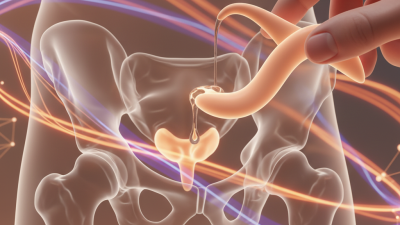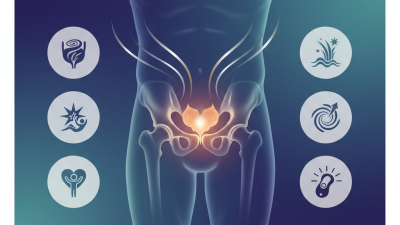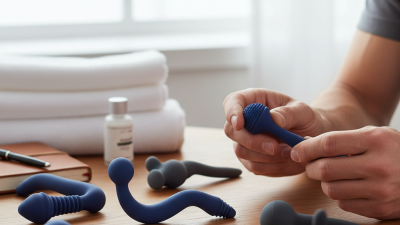
Prostatic Orgasm is often discussed as an intense form of sexual pleasure involving the prostate, a small gland beneath the bladder. It is sometimes called the “male G-spot,” although that comparison can oversimplify individual anatomy. Some people feel deep pressure, warmth, or waves of pleasure. Others feel little or nothing. Both experiences are normal.
Safety begins with informed consent, relaxation, and patience. Clean hands, short fingernails, and generous water- or silicone-based lubricant can reduce friction. A purpose-designed, body-safe toy with a wide base may offer better control. Never use household objects. Begin slowly, communicate clearly, and stop if sharp pain, bleeding, numbness, dizziness, or persistent discomfort appears. Pain is not progress.
A healthcare professional can help when someone has hemorrhoids, anal fissures, prostatitis, recent surgery, or unexplained pelvic pain. People taking blood-thinning medication may also need individualized advice. Research on prostate stimulation and orgasm remains limited, so confident promises are misleading. Personal experience matters, but it does not replace medical guidance. The prostate may feel sensitive. It should never be forced.
A calm room, trimmed nails, a towel, and time can make the experience less stressful. Breathing slowly may help the pelvic muscles release. However, pleasure cannot be scheduled like a test. Some people need several attempts. Some decide it is not for them. That is a valid result. This guide focuses on respectful exploration, realistic expectations, and practical ways to protect comfort, health, and consent.
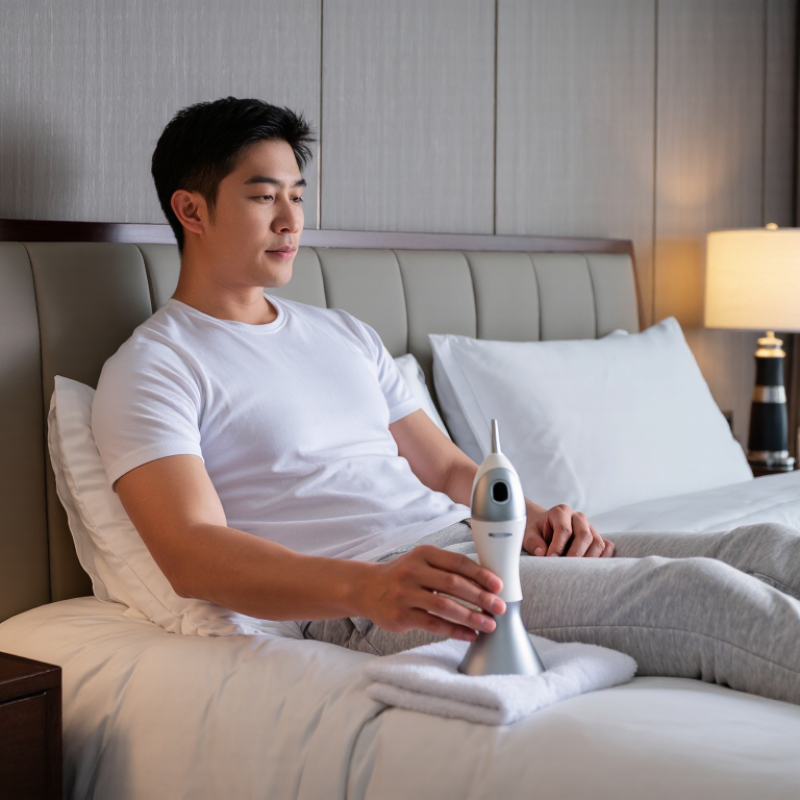
A prostatic orgasm may involve stimulation of the prostate, a small gland below the bladder. The experience differs widely between individuals. Some people notice deep pleasure, spreading warmth, or rhythmic pelvic contractions. Others feel little sensation, even after careful attempts. Both responses are normal. There is no universal technique, timeline, or guaranteed result.
Comfort and consent should guide every step. Relaxation matters because tense pelvic muscles can create discomfort. Use clean hands, trimmed nails, and generous water-based lubricant. Move slowly, and stop if you feel sharp pain, bleeding, numbness, or persistent soreness.
Gentle external pressure may feel better than internal stimulation for some people. Patience helps.
I used to assume stronger stimulation would create better results. That assumption needs reconsidering. The prostate can feel sensitive, neutral, or unpleasant, depending on anatomy, mood, medication, and previous experience. Communication with a trusted partner can reduce pressure. Solo exploration also allows clearer feedback.
Avoid stimulation during active hemorrhoids, anal fissures, unexplained rectal pain, or recent surgery. People with prostate conditions should ask a qualified healthcare professional first. Persistent pain or bleeding deserves medical attention, not further experimentation. Some people never experience a prostatic orgasm, and that does not indicate a problem.
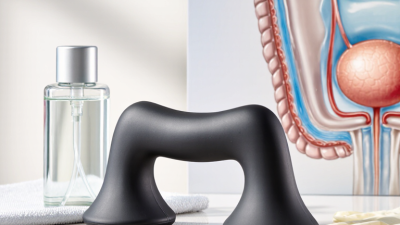
Consent should guide every moment. All participants must be adults, comfortable, and able to change their minds. Discuss boundaries before touching begins. Agree on a clear stop word or hand signal. Consent is ongoing, not a one-time permission. A common mistake is treating silence as enthusiasm. Silence can mean uncertainty.
Hygiene reduces avoidable problems. Wash hands carefully and trim fingernails smoothly. Clean any toy before and after use. A glove or condom can add protection, especially when sharing toys. Use plenty of body-safe lubricant, then reapply when friction appears. Water-based lubricant works with most condoms, while oils may weaken latex. Avoid numbing products. They can hide pain and encourage injury.
Relaxation matters more than force. Begin with slow breathing, privacy, and enough time. External touch may help the body feel prepared before any internal stimulation. Move gradually, using gentle pressure and frequent check-ins. The prostate may feel sensitive, but intense pain, bleeding, burning, or dizziness is not a normal goal. Stop immediately if these occur. Do not continue with an infection, unexplained rectal bleeding, or painful hemorrhoids; seek medical advice instead. Pleasure differs widely, and orgasm may not happen. That is not failure. I would also question any guide promising guaranteed results, because bodies rarely follow fixed instructions.
Gentle progression matters more than intensity when exploring prostate pleasure. The prostate is sensitive, but orgasm is never guaranteed. The 2010 National Survey of Sexual Health and Behavior included 5,865 U.S. participants and documented wide variation in sexual practices. This finding supports a personal approach, not a universal technique. Comfort should guide every step.
Begin with clear consent, relaxed breathing, clean hands, short nails, and ample lubricant. Start with external touch before considering any internal stimulation. Move slowly, using shallow pressure and frequent pauses. A barrier can reduce exposure to bacteria and sexually transmitted infections. Avoid numbing products because they may hide warning pain. Progress only when the body feels calm.
The CDC’s 2022 Sexually Transmitted Infections Surveillance Report recorded more than 2.5 million reported chlamydia, gonorrhea, and syphilis cases in the United States. That number reinforces careful barrier use and hygiene. Never move from anal contact to another body area without changing barriers or cleaning thoroughly.
Stop with sharp pain, persistent soreness, dizziness, or bleeding. People with fissures, active hemorrhoids, recent surgery, or prostate symptoms should ask a qualified clinician first. Mild discomfort is not always progress. That assumption can be wrong.
A prostatic orgasm should feel gradual, warm, and pleasurable, not sharp or alarming. The prostate sits near the rectum, so gentle pressure may create fullness or an urge to urinate. That sensation can be normal, especially during slow breathing. It should never feel forced.
Comfort matters more than reaching an orgasm. Wash your hands, trim your nails, and use generous lubricant. A clean, properly sized toy with a wide stopper is safer than a household object. Move slowly, communicate clearly, and stop whenever comfort fades. Relaxed muscles usually respond better than pressure or speed. Less can be enough.
Pay attention to warning signs. Stop immediately if you notice sharp pain, burning, dizziness, numbness, heavy bleeding, or sudden nausea. Seek medical advice for persistent pain, fever, blood in urine, or difficulty urinating. Avoid internal stimulation during active hemorrhoids, anal fissures, rectal infections, or recovery from surgery unless a clinician approves it. Many online claims sound certain, but bodies vary. Prostate stimulation may feel pleasurable for some people and unpleasant for others. No technique guarantees an orgasm.
Aftercare matters as much as stimulation. Stop immediately if pain replaces pleasure. Mild tenderness can occur, but worsening discomfort deserves attention. Avoid further insertion until the area feels normal. Drink water, urinate gently, and wash the outside with warm water. Do not use harsh soap internally. NIDDK advises urgent medical care for urinary retention, fever, chills, or severe pelvic pain, which may indicate prostatitis or another infection. Rectal bleeding, faintness, or persistent pain also requires prompt assessment.
Tips: Use clean hands, short nails, and generous water-based lubricant. Choose a smooth toy with a wide base. Never force insertion. Avoid numbing products because they can hide injury. Do not share toys without a new barrier and proper cleaning. The CDC’s 2023 STI Surveillance Report recorded more than 3.2 million reported chlamydia, gonorrhea, and syphilis cases in the United States, so barrier protection and testing still matter during partnered activity.
Recovery should be quiet and practical. Rest if the pelvic muscles feel tired. Seek medical advice if symptoms continue, recur, or interfere with urination or bowel movements. A clinician can check for fissures, hemorrhoids, prostatitis, or infection without judgment. There is no strong clinical evidence that prostate stimulation improves prostate health. I would not mistake an intense orgasm for medical treatment. Personal limits can change, and that is easy to overlook.
| Stage | Safety dimension | Evidence-informed guidance | What may be normal | When to stop or seek medical advice |
|---|---|---|---|---|
| Before starting | Consent and communication | Use clear, ongoing consent. Agree on a stop word or hand signal, and check in about pressure, pace, comfort, and boundaries. Consent can be withdrawn at any time. | Relaxation, curiosity, and mild nervousness that improves with communication. | Stop if there is pressure, coercion, fear, or discomfort that does not improve after slowing down. |
| Before starting | Health screening | Do not proceed during active anal pain, unexplained rectal bleeding, open sores, significant inflammation, or a suspected infection. People with recent rectal or prostate surgery should ask their clinician first. | Being symptom-free before sexual activity. | Obtain medical advice for persistent rectal pain, bleeding, discharge, fever, or urinary symptoms before attempting stimulation. |
| Preparation | Hygiene and nails | Wash hands, keep fingernails short and smooth, and remove rings or other sharp jewelry. Avoid harsh soaps or aggressive internal cleaning, which can irritate delicate tissue. | Mild temporary sensitivity after washing. | Stop if there is burning, skin cracking, significant irritation, or worsening soreness. |
| Preparation | Lubrication | Use plenty of body-safe lubricant suitable for anal contact and reapply as needed. The rectum does not produce natural lubrication. If using condoms, avoid oil-based products because they can weaken latex. | A comfortable, low-friction sensation without stinging. | Stop and rinse externally if the lubricant causes burning, rash, swelling, or an allergic reaction. |
| During activity | Gradual stimulation | Begin externally and progress slowly only if comfortable. Use gentle pressure, communicate continuously, and never force insertion. Avoid numbing products because they can mask pain and increase the risk of injury. | Pressure, fullness, warmth, or pleasurable sensitivity that remains comfortable. | Stop immediately for sharp pain, intense burning, numbness, dizziness, or a sudden loss of comfort. |
| During activity | Objects and toys | Only use objects designed for anal use, with a broad, secure base or retrieval feature. Do not use household objects, fragile items, or anything that could break or become fully inserted. | Easy removal and no persistent discomfort after removal. | Seek urgent medical care if an object cannot be removed, breaks, or causes severe pain or bleeding. |
| During activity | Infection prevention | Use a new condom or clean barrier for each person and for each change between anal, vaginal, or oral contact. Clean reusable items according to their material and use instructions. | No unusual discharge, fever, or increasing pain afterward. | Arrange sexual-health testing or medical advice after a possible exposure, condom break, or development of sores, discharge, burning urination, or fever. |
| Orgasm expectations | Body responses | Prostatic stimulation does not guarantee orgasm and should not be treated as a medical treatment. Pleasure and orgasm vary widely; stopping without orgasm is completely acceptable. | Temporary pelvic muscle contractions, relaxation, or mild short-lived sensitivity. | Stop if contractions become painful or if discomfort continues instead of settling after activity ends. |
| Immediately after | Gentle aftercare | Remove anything slowly, clean the external area gently, wash hands, drink fluids as desired, and urinate if comfortable. Avoid aggressive wiping, douching, or repeated checking of the area. | Mild tenderness or temporary fullness that gradually improves. | Seek advice if soreness is worsening, lasts beyond a short recovery period, or interferes with sitting, bowel movements, or urination. |
| Recovery | Monitoring symptoms | Allow the area to rest until comfortable before repeating activity. A small spot of blood may occur from minor irritation, but bleeding should not be assumed to be harmless. | Minor irritation that resolves rather than increases. | Contact a clinician promptly for repeated or more-than-minimal bleeding, persistent rectal pain, black stools, fever, or pus-like discharge. |
| Urinary symptoms | Urination and pelvic comfort | Pay attention to new burning, urgency, difficulty starting urination, or pelvic pain. These symptoms may have causes unrelated to sexual activity and should be assessed if persistent. | Normal urination without increasing pain. | Seek urgent medical care for inability to urinate, severe lower abdominal pain, fever with urinary symptoms, or rapidly worsening pelvic pain. |
| Emergency warning signs | Immediate medical attention | Do not delay care for symptoms suggesting significant injury or infection. | Not applicable. | Go to urgent or emergency care for heavy bleeding, fainting, severe or escalating pain, abdominal swelling, high fever, confusion, or an object that cannot be removed. |
Important: This table provides general sexual-health information and does not replace an examination or personalized medical advice. A qualified clinician can assess persistent, recurrent, or concerning symptoms.