
Leave Your Message
Buying Men's Sex Toys in bulk is not simply a matter of choosing the lowest unit price. Retailers must balance product quality, customer privacy, dependable supply, and the needs of different buyers. The opportunity is real. Grand View Research valued the global sexual wellness market at USD 56.5 billion in 2023 and projected an 8.6% compound annual growth rate from 2024 to 2030. That figure covers a broad market, not men’s toys alone. Still, it signals why careful stock planning matters.
A bulk order can look attractive on a spreadsheet, then sit untouched in a warehouse. Consider practical details before committing: verified material information, clear care instructions, discreet packaging, realistic minimum order quantities, and consistent delivery times. Ask suppliers for product specifications and quality-control details. Compare samples where possible. Check how warranties, defects, and returns are handled. Small differences matter, from a noisy motor to packaging that arrives scuffed.
The following ten tips offer a grounded way to assess suppliers and build a more useful product mix. They focus on evidence, not bold sales promises. Use market reports as context, not as a guarantee of demand. Your customers may prefer different designs, price points, and levels of discretion. That part takes listening. And reviewing. Bulk buying can reduce costs, but only when quality and turnover hold up.
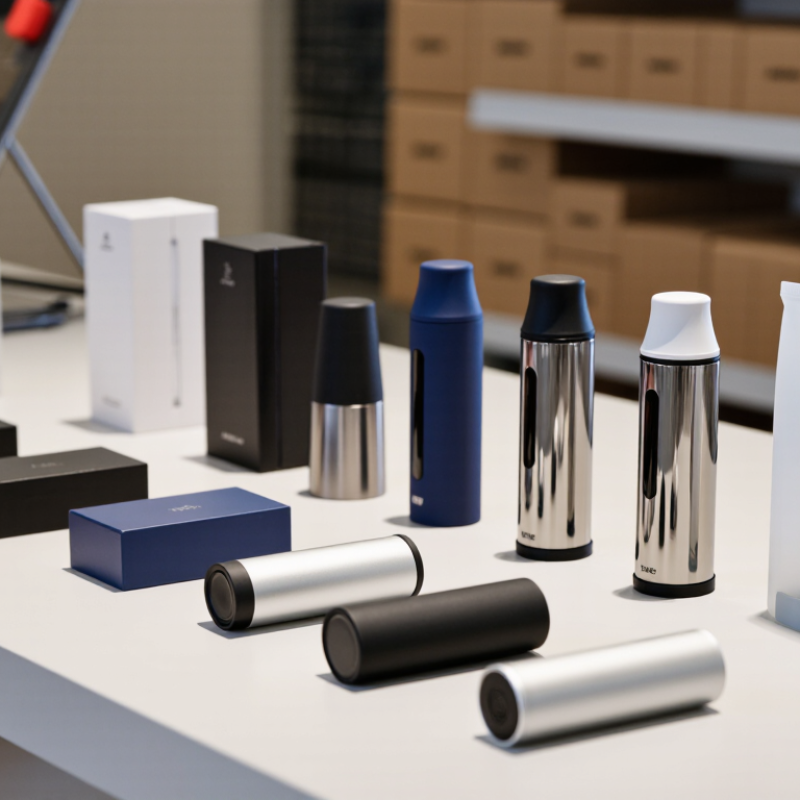
The market for men’s sex toys is not one uniform category. Shoppers compare fit, material, cleaning effort, noise, and price. Some want compact sleeves; others prefer adjustable devices or prostate massagers. Discreet packaging and clear instructions can matter as much as product features. So can comfort.
For bulk buyers, demand depends on customer preferences and retail channels, not just trending products. Review search data, sell-through rates, and return reasons before setting order quantities. A small test order can show whether buyers prefer simple designs, body-safe materials, or easy-to-clean construction. Ask suppliers for material disclosures, care guidance, and quality-control records; vague claims deserve follow-up. Stocking different sizes and price points helps, but too much variety can tie up cash. I may be giving assortment too much weight: dependable restocking and sturdy, discreet packaging often matter more. Track feedback without collecting unnecessary personal details. Market assumptions need regular checking.
| Tip | Product or Market Area | Market Insight | Bulk-Buying Action | What to Verify |
|---|---|---|---|---|
| 1 | Product categories | The category includes different product types, such as strokers, prostate massagers, rings, and pumps. Their features and intended uses are not interchangeable. | Compare categories separately and build a balanced assortment around the needs of your intended customers. | Product function, intended use, and clear instructions. |
| 2 | Customer needs | Customers may prioritize different factors, including ease of cleaning, discreet storage, adjustable settings, or beginner-friendly design. | Use customer feedback and sales data to select products for distinct use cases rather than relying on a single product style. | Feature descriptions that are specific and supportable. |
| 3 | Materials and care | Products may use materials such as silicone, ABS plastic, or elastomers. Cleaning and care requirements depend on the material and product construction. | Request material specifications and care instructions for each product; avoid treating broad material labels as proof of quality. | Composition details, relevant test reports, and cleaning guidance. |
| 4 | Quality control | Finish, fit, controls, and packaging can vary between products and production batches. A sample may not represent every unit in a bulk order. | Order samples first and agree on an inspection process and acceptable defect criteria before placing a large order. | Sample consistency, batch checks, and defect-resolution terms. |
| 5 | Powered products | Rechargeable and battery-powered products can involve charging, battery transport, and water-resistance considerations that do not apply to every item. | Compare operating instructions, charging accessories, battery details, and serviceability before selecting powered stock. | Applicable electrical documentation, battery-shipping rules, and substantiated water-resistance claims. |
| 6 | Packaging and labeling | Clear packaging information helps buyers understand product contents, use, and care. Retailers may also need packaging suited to their sales channel. | Check package dimensions, included accessories, language requirements, and whether neutral outer shipping packaging is available. | Accurate contents, instructions, and destination-market labeling requirements. |
| 7 | Compliance and claims | Rules for adult products, product claims, labeling, and online sales differ by country and sometimes by region or sales channel. | Check the requirements for each intended market before importing, advertising, or listing products. | Applicable local laws, age restrictions, documentation, and evidence for claims. |
| 8 | Cost and logistics | The quoted unit price is only one part of the total cost. Freight, duties, taxes, packaging, storage, and returns may affect the final cost per sellable unit. | Compare total landed cost, lead times, minimum order quantities, payment terms, and reorder timing. | Written quotations, shipping terms, and any additional fees. |
| 9 | Assortment planning | A broad assortment can serve more preferences, but stocking too many similar items can tie up inventory and complicate replenishment. | Start with a manageable selection, track sell-through and customer feedback, and expand based on observed demand. | Sales by category, stock turnover, and return reasons. |
| 10 | Returns and replenishment | For intimate products, hygiene and consumer-protection rules may affect return handling. Clear support and reorder procedures help manage ongoing stock. | Set a written process for damaged goods, customer support, warranty handling, and repeat orders before committing to bulk quantities. | Return policy, warranty scope, replacement process, and applicable consumer rules. |