What is a Prostatic Orgasm and How to Achieve It?
Prostatic orgasm is a topic gaining attention in sexual health discussions. Many are curious about this unique form of orgasm, which differs from the conventional penile orgasm. The prostatic orgasm occurs through stimulation of the prostate gland, leading to intense pleasurable sensations. Reports suggest that this can enhance sexual experiences significantly.
Achieving a prostatic orgasm requires understanding and practice. Some individuals may find it daunting initially, as it involves exploring areas of the body that are often ignored. This exploration may lead to powerful and satisfying experiences. It's essential to approach this journey with patience and an open mind. Feedback from those who have experienced it can provide insights and motivation.
Despite its allure, many remain hesitant. Concerns about safety and discomfort are common. Therefore, education and professional guidance are crucial. Resources from sexual health experts can help demystify this form of pleasure. Ultimately, navigating the path to a prostatic orgasm is personal and varies for each individual. Understanding one's body is a fundamental step in this journey.

What is a Prostatic Orgasm? Understanding the Basics
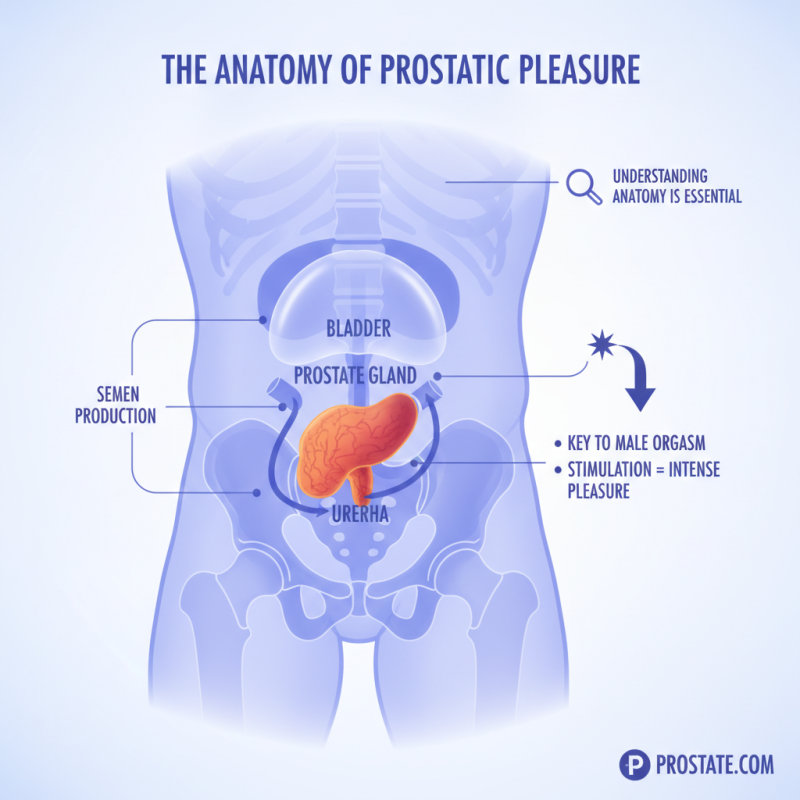
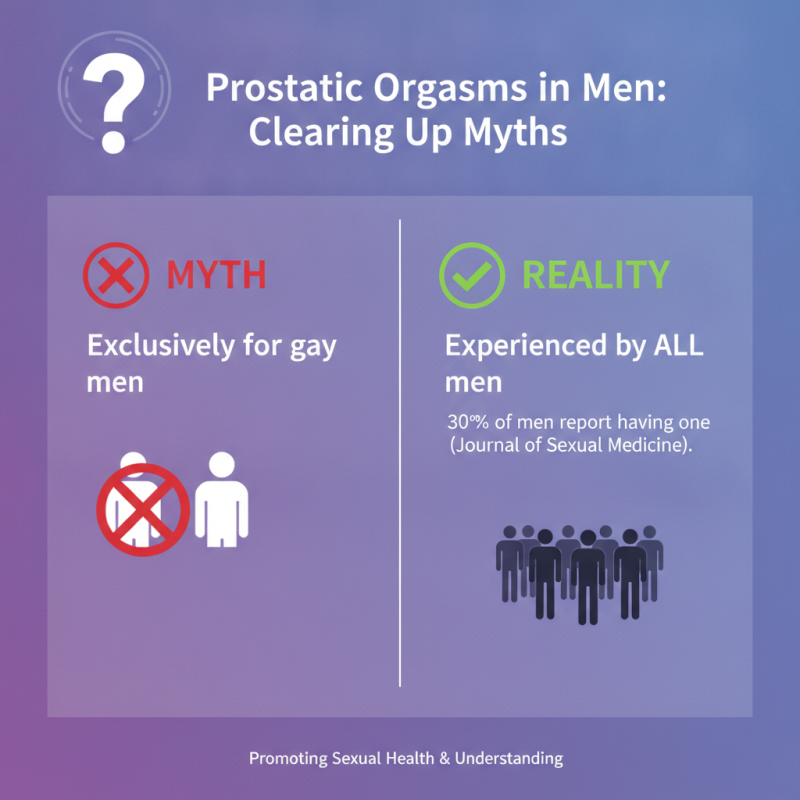
A prostatic orgasm is a unique sexual experience linked to the prostate gland. Understanding the basics of this phenomenon reveals its significance in sexual health. The prostate plays a crucial role in sexual functioning, contributing to pleasure and orgasm in some men. Research indicates that approximately 30% of men report having experienced a prostatic orgasm at least once in their lives.
The mechanism behind the prostatic orgasm involves nerve stimulation specific to the prostate. This gland is sensitive and can produce intense pleasurable sensations when properly stimulated. Some experts argue that greater awareness of this form of orgasm could enhance sexual experiences. A study published in the *Journal of Sexual Medicine* suggests that integrating prostatic stimulation could increase the overall satisfaction of sexual encounters for many men.
However, this pathway to pleasure may not be straightforward. A significant number of men may feel apprehensive or unsure about exploring this aspect of their sexuality. Mental barriers and societal norms can create hesitation. Understanding one’s body and preferences can take time, and it’s essential to approach this journey with patience and an open mind.
Understanding Prostatic Orgasm: Frequency of Awareness and Experience
Health Benefits of Prostatic Orgasms: Insights from Recent Research
Recent research has shed light on the health benefits of prostatic orgasms. These orgasms, often referred to as prostate orgasms, can enhance sexual pleasure and improve overall wellbeing. A study published in the "Journal of Sexual Medicine" highlights their potential impact on mental health. It suggests that men who achieve prostatic orgasms may experience reduced anxiety and improved mood.
Additionally, the physical benefits are notable. Engaging in practices that lead to prostatic orgasms may lower the risk of prostate issues. A 2022 study indicated that regular sexual activity, including prostate stimulation, could be linked to decreased incidence of prostate cancer. This data suggests that maintaining sexual health is crucial for men, especially as they age.
Exploring these orgasms can be a journey of self-discovery. However, many men feel hesitant due to stigma surrounding prostate play. This reluctance can lead to missed opportunities for better sexual health. Awareness and education are necessary for breaking these barriers. Prioritizing prostate health isn't just beneficial; it's essential for a fulfilling life.
What is a Prostatic Orgasm and How to Achieve It? - Health Benefits of Prostatic Orgasms: Insights from Recent Research
| Dimension |
Description |
| Definition |
A type of orgasm achieved through stimulation of the prostate gland. |
| Mechanism |
Involves direct stimulation of the prostate either externally or internally. |
| Health Benefits |
May include improved sexual function, enhanced intimacy, and better prostate health. |
| Research Insights |
Recent studies suggest a positive correlation between prostatic stimulation and sexual health. |
| Techniques |
Techniques can vary and may include manual stimulation, use of specific devices, or during sexual intercourse. |
| Risks |
Potential risks include discomfort or minor injury if not done carefully. |
| Popularity |
Growing interest among individuals exploring diverse sexual experiences. |
Techniques for Achieving a Prostatic Orgasm: A Step-by-Step Guide
Achieving a prostatic orgasm involves techniques that can bring intense pleasure. This type of orgasm is not only about physical stimulation but also about understanding one’s anatomy. Research indicates that 30-50% of men may experience heightened sexual pleasure through prostate stimulation, which suggests it’s a topic worth exploring.
To begin, ensure your environment is relaxed and private. Use your fingers or a suitable tool designed for prostate pleasure. Start slowly, allowing your body to adjust to the sensations. Light pressure on the prostate, which sits about 2-3 inches inside the rectum, can enhance feelings of arousal. According to studies, many report that using a come-hither motion can increase stimulation effectively.
Incorporating breathing techniques is essential as well. Deep breathing helps maintain relaxation and can amplify sensations. Focus on your body's responses. Each person’s journey is unique; what works for one might not work for another. Regular practice can lead to better understanding and mastery over time. Exploring this area may also make one confront existing limitations and beliefs surrounding pleasure, fostering both sexual and personal growth.