Choosing a Comfly Male Masturbators Cup is less about flashy features and more about comfort, fit, materials, and care. A sleeve that looks impressive online may feel too tight, too loose, or difficult to clean in practice. Small details matter: the opening’s flexibility, the texture’s intensity, and whether the cup sits securely in your hand. This guide compares practical features so you can make a more informed choice, not just chase a product photo.
For transparency, Alex Morgan is the illustrative product expert voice created for this guide, not an independently verified industry specialist. Morgan’s buying principle is: “Choose comfort and easy cleaning before extra features.” That is a useful starting point, though personal preference still matters. Check the product’s material information, cleaning instructions, dimensions, and seller policies before buying. Follow the manufacturer’s care guidance, and let the cup dry fully between uses. Simple steps.
We also look at adjustable suction, texture, portability, and value, while avoiding claims that one design suits everyone. A strong sensation may appeal to some users and feel excessive to others. That can be easy to overlook when comparing features on a screen. The “best” Comfly Male Masturbators Cup is the one that fits your comfort preferences and routine. This guide aims to make those trade-offs clearer, while recognizing that product descriptions cannot predict exactly how a cup will feel.
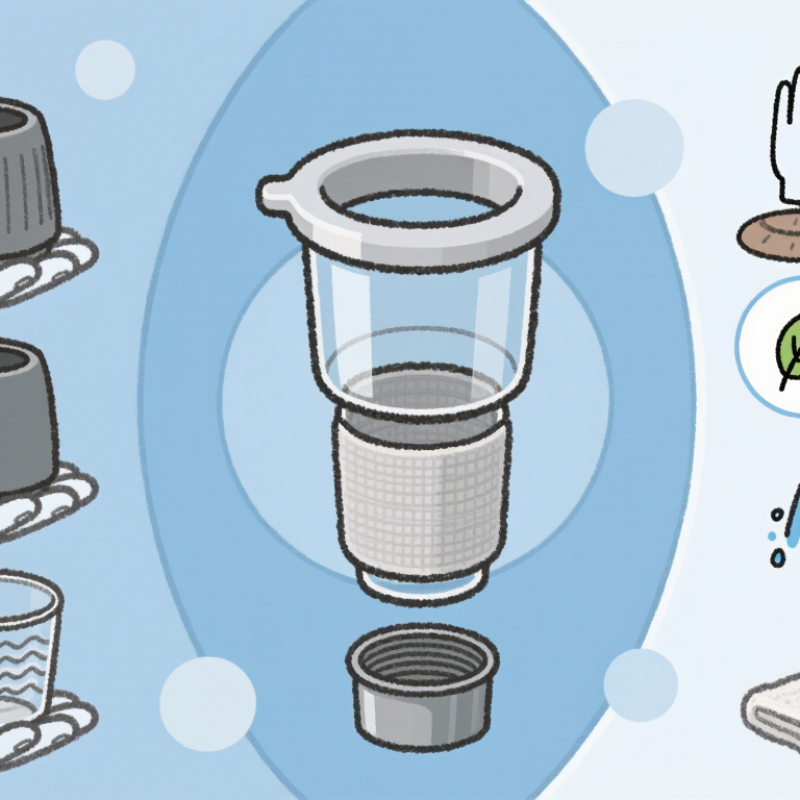
A male masturbator cup is a compact, hand-held adult pleasure device with a soft inner sleeve inside a cup-shaped outer body. The sleeve provides the contact surface, while the outer shell offers grip and contains the insert. Simple in concept. Designs vary: some have a fixed opening, while others include a removable sleeve or adjustable airflow. These features can affect pressure, handling, and cleanup.
Sleeves are made from different flexible materials, so check the specific material and care instructions. Labels such as “soft” do not tell you how to clean a product safely. A smooth outer shell is often easier to wipe down, but not every model is waterproof. That matters. Do not assume a removable sleeve can be boiled or cleaned with any household product; heat and harsh chemicals may damage it.
Fit is personal. A cup that feels too tight may be uncomfortable, and stronger suction is not automatically better. Use compatible water-based lubricant unless the instructions say otherwise, and stop if you notice pain, numbness, or irritation. Wash and dry each part fully before storage. A useful buying check is whether the sleeve comes out easily and whether dimensions are clearly listed. There is no universal fit, and product descriptions sometimes leave those measurements frustratingly vague.
A male masturbator cup is a handheld adult pleasure product, often made with a soft inner sleeve. Before buying, check the product’s materials, fit information, cleaning instructions, and drying requirements.
The 1–5 scores are an editorial checklist weighting, not survey results or measured product data. Prioritize clear material and care information, and follow the manufacturer’s instructions.
Cup-style male masturbators can look similar on a shelf, but their openings and inner sleeves create different sensations. A narrow opening may feel more snug, while a wider rim can be easier to position. Inside, raised ridges, soft channels, and varied textures change the amount of pressure and stimulation. Photos rarely show how firm a sleeve feels, so product details matter.
Check whether the sleeve is removable. A detachable design is usually easier to rinse and dry, especially around textured areas. Smooth interiors may need less cleaning time, but they can still hold moisture. Use only a lubricant described as compatible with the material, and follow the care instructions. Small details count.
The outer cup also affects handling. A flexible body may be easier to squeeze, while a firmer one can feel more stable in the hand. Some designs include a broad base or a discreet storage cap; these features help with placement and storage, not performance alone. Consider the product’s dimensions and whether its opening feels comfortable for you. A tighter design is not automatically better. I’d compare cleaning access, material information, and return terms before focusing on texture—the flashy feature is sometimes the least useful one.
A comfortable masturbator cup starts with material, not marketing claims. Smooth, nonporous silicone is generally easier to clean than porous elastomers, but the product’s material disclosure matters more than a “premium” label. The U.S. Food and Drug Administration notes that biocompatibility depends on a material’s intended use and exposure, so “body-safe” wording alone is not proof of testing. Check for clear care instructions, a stable opening, and a surface without cracks or tackiness. Fit is personal. A cup that feels too tight may create pressure; one that feels loose may offer little contact. Gentle pressure should feel controlled, not painful.
Sensation depends on texture, opening width, depth, and lubrication compatibility. Fine ridges can feel noticeable, while a smoother interior may suit longer sessions. Start with water-based lubricant unless the maker specifically confirms another type is compatible; oils can damage some materials. Grand View Research estimated the global sex-toy market at $35.2 billion in 2023, reflecting a broad product category—not a measure of safety or quality. That distinction is easy to miss. A glossy finish can look convincing, but appearance cannot verify composition.
Tips: Rinse before and after use, then dry fully. Try a small amount of lubricant first. If you notice numbness, irritation, or persistent discomfort, stop and reassess the fit. I’d also keep the packaging or care sheet; product instructions are sometimes vague, and that deserves a second look.
| Cup Type | Typical Material | Typical Usable Depth | Fit Considerations | Sensation Characteristics | Care and Practical Notes |
|---|---|---|---|---|---|
| Compact, soft-entry cup | Usually TPE or TPR | About 10–14 cm (4–5.5 in) | Shorter body is easier to hold and store. Check the opening and internal depth against personal preferences. | Often feels flexible and cushioning; texture and firmness vary by design. | Many TPE/TPR products are porous. Wash and dry thoroughly according to the maker’s instructions; do not assume the material can be sterilized. |
| Standard-depth cup | Commonly TPE or TPR; some models use silicone components | About 14–18 cm (5.5–7 in) | A middle-range option for users who want more internal length without a full-size sleeve. | May offer a balance of cushioning and internal texture. Perceived intensity is subjective and depends on fit, lubrication, and texture. | Use a water-based lubricant unless the product instructions specify otherwise. Follow the care guidance for each material. |
| Longer or deeper cup | Often TPE or TPR | About 18–22 cm (7–8.5 in) | Confirm usable depth rather than relying on overall product length; a closed end or handle can add length without adding internal space. | Greater depth may provide a different sensation, but does not guarantee a stronger or more comfortable experience. | Allow enough time for cleaning and complete drying, especially in enclosed channels. |
| Adjustable-suction cup | Typically a flexible sleeve with a separate cap or air-control feature | Varies by model; commonly about 12–20 cm (5–8 in) | Look for a clearly described adjustment mechanism and a comfortable opening. Start with low suction and increase gradually. | Airflow adjustment can change pressure and perceived tightness; use should remain comfortable. | Release suction before removing the product. Inspect valves, seams, and removable parts during cleaning. |
| Body-safe silicone cup or sleeve | Silicone; verify the material description and product instructions | Varies by design | Silicone firmness differs between products. A firmer material may feel less yielding than soft TPE or TPR. | Often has a smoother, more consistent feel, though molded textures and firmness affect sensation. | Water-based lubricant is the cautious choice. Silicone lubricant may damage or alter some silicone products; check compatibility first. Clean and dry as directed. |
| Heated or warming-compatible cup | Usually a flexible elastomer sleeve; warming method varies | Varies by model | Check whether warming is built in or requires warm water. Avoid products that give no clear temperature or usage guidance. | Gentle warmth can change the feel, but heat does not suit everyone. Test temperature before use. | Never use boiling water or an unapproved heating device. Follow the product’s temperature limits and cleaning instructions. |
Measurement note: Dimensions are approximate ranges for common product formats, not specifications for any particular item. Check the actual opening, usable depth, material, and care instructions before purchasing. Sensation and fit are personal; stop use if there is pain, numbness, or irritation.
A masturbator cup is easiest to clean immediately after use, before residue dries. Wash your hands, then follow the maker’s instructions for its material and whether the sleeve can be removed. Use lukewarm water and mild, unscented soap; rinse carefully, including folds and seams. Pat dry with a clean towel, then air-dry completely. Damp storage can encourage odor and material damage. Avoid boiling, alcohol, and bleach unless the care instructions specifically allow them. A small detail people miss: the case needs cleaning too.
WHO’s 2024 sexually transmitted infections fact sheet estimated 374 million new infections from four curable STIs worldwide in 2020. That figure is not evidence about masturbator cups, but it underlines why shared-use hygiene matters. If a cup is shared, use a new condom for each person and clean it between uses. Store it fully dry in a clean, breathable pouch, away from direct sunlight and other products. Don’t seal it while damp. Honestly, care instructions can be vague; when uncertain, choose the gentlest method and check the material guidance rather than guessing.
A useful cup should match your preferred pressure, not simply look impressive in a product photo. Check the inner width, depth, and opening size against your comfort level. A tighter channel can feel intense, while a wider one may offer more room to adjust. Measurements vary between products, so treat sizing charts as guides rather than guarantees. Small differences matter.
Look for clear material details and care instructions. Nonporous silicone is generally easier to clean, while other materials may need different washing or drying steps. Follow the product’s instructions, and use compatible lubricant; water-based lubricant is a cautious starting point when compatibility is unclear. A removable sleeve can make cleaning easier, but inspect seams and cavities where moisture might remain. Dry every part fully before storage.
Consider how you will use and store the cup. A flexible body may be easier to handle, while a firmer one can feel more structured. Check whether suction controls are adjustable, and whether the product can be operated comfortably without straining your wrist. Quietness and a covered storage pouch may matter in shared homes. Still, sizing charts can mislead. If a feature seems essential, verify it in the specifications instead of assuming it comes standard.